7 Signs Your Gout Is About to Get Much Worse
Whether you've been managing it for years or never thought it was serious — tap "That's Me" under any sign that sounds familiar. Your count changes what comes next.
4 min read · Updated July 2026

Gout doesn't stay still. Whether you've had it for years and have a routine you follow for it, or you've only had a flare or two and don't think it's serious yet, the pattern underneath is the same one — and it's rarely the one people assume.
Below are seven signs that it's already moving in the wrong direction, even if the pattern feels predictable, "under control," or not worth worrying about yet. Check off any that sound like you. The section after the list explains what they have in common — and what's actually driving all of them underneath.
Your flares always hit the same one or two joints — never anywhere else
It feels like proof the problem is contained. It's usually the opposite. A joint that stays quiet for years isn't a sign the level is controlled — it's a sign the level simply hasn't climbed high enough yet to reach a second one.

"Twenty-five years, same toe, like clockwork. Then last spring it was my knee."
The pain comes back on almost the same schedule, every time
Once a year. Every eight months. Like clockwork enough that you could almost mark it on a calendar. That rhythm isn't random — it's how long it takes the underlying level to climb back up to the same threshold, over and over, without anything actually changing in between.

"I could almost predict the week. That should've told me something."
You've cut the red meat, the beer, the shellfish — and it still happens anyway
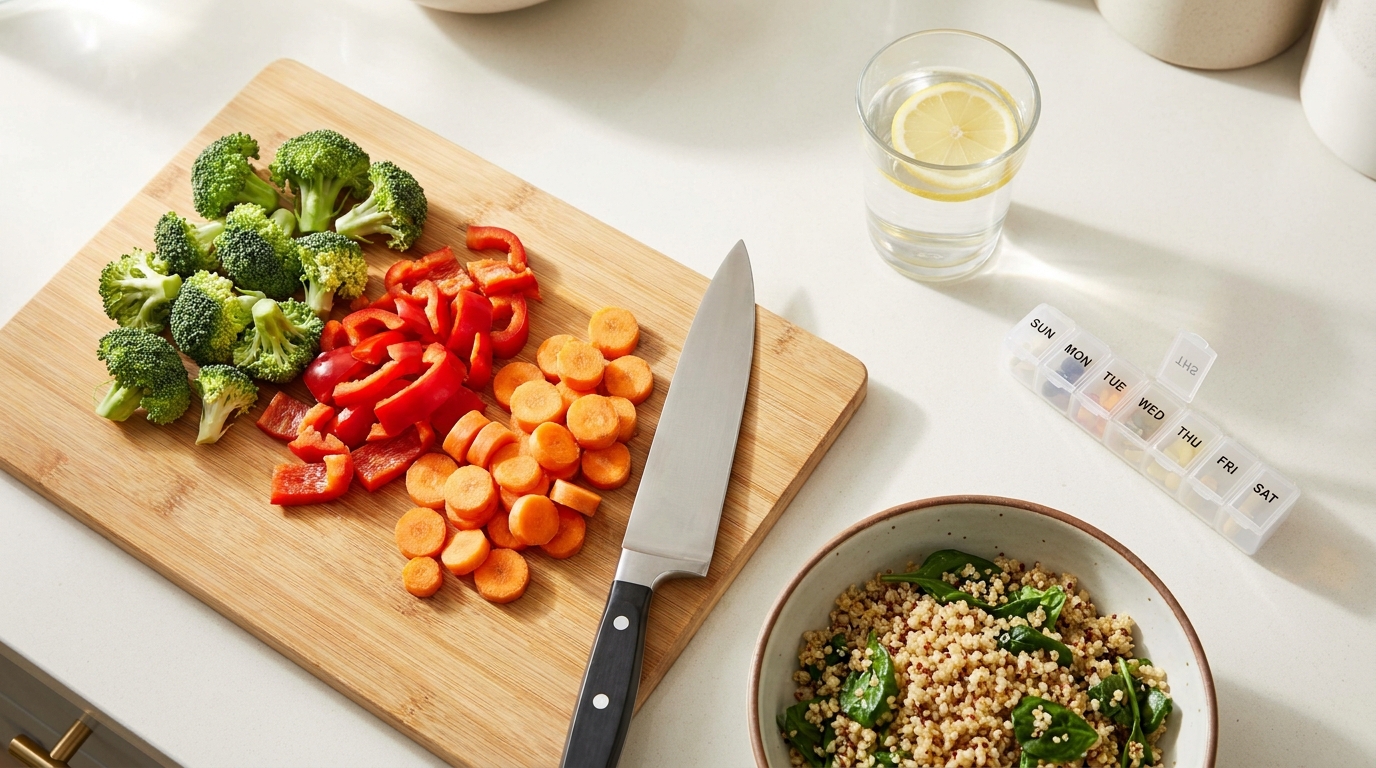
Diet only ever addresses one side of the mechanism — how much uric acid your body produces. It says nothing about how well your kidneys are clearing what's already built up. You can turn that tap down as far as it goes and the level still rises if the drain was never fast enough to begin with.
"I did everything on the list. It came back anyway. Nobody explained why."
You've tried tart cherry, celery seed, or a "joint support" supplement — with mixed results at best
Almost every product on the shelf treats one side of the mechanism as if it were the whole problem. Tart cherry alone. Celery seed alone. A blend that's mostly filler. Each one gets you partial, inconsistent results because it was never built to cover both sides at once.

"I've probably spent more on single-ingredient bottles than I want to admit."
You avoid committing to plans because you can't predict which week it'll act up
A hike with your sister. A weekend on your feet. Nothing dramatic — just a quiet habit of hedging, because you've learned the hard way that a flare doesn't ask permission or wait for a convenient week.

"I stopped saying yes right away. I started saying 'let's see how I'm feeling.'"
A doctor's visit ends with "watch your diet" and a refill — nothing that explains why it keeps happening
A twelve-minute appointment rarely has room for the full mechanism. You leave with the same advice you already had, and the same question you walked in with: why does this keep happening if I'm doing what I'm told?

"Same advice, different visit. I stopped expecting a different answer."
Lately it feels like it's traveling — a new joint, a new twinge, somewhere it's never bothered you before
This is usually the moment people finally look into it. A second joint isn't a new problem — it's the same one, further along, now that the level has finally climbed high enough to reach somewhere new.

"It was always my toe. Then last month my knee joined the rotation."
None of these sound like you yet — that's genuinely good news. But uric acid buildup can climb for years before any of this shows up, quietly, without a single flare to mark it. The section below is worth reading regardless of what you checked.

All Seven Signs Trace Back to the Same Two-Part Mechanism
Gout isn't its own separate thing happening in your joints — it's what uric acid buildup looks like once it reaches a joint. Either your body is producing too much uric acid, or your kidneys aren't clearing what's already there fast enough. Usually it's some mix of both. Picture a sink filling faster than it drains — the water keeps rising even if you turn the tap down, because the drain was never fast enough to begin with.
Almost every sign above traces back to that same gap. The predictable rhythm is the level rising and falling past the same threshold. The single joint is where it happens to crest first. The diet that didn't work, the supplement that only helped a little, the doctor's visit that didn't explain anything new — all of it is the tap side getting all the attention while the drain goes unaddressed.
This isn't a theory. A clinical study published in Arthritis Research & Therapy tracked participants using a combined approach targeting both sides of uric acid regulation, and found they averaged 0.56–0.58 flares per participant — compared to 0.94 flares in the control group. Nearly half the flare rate, simply from addressing both mechanisms instead of one.
What Happens If This Gets Ignored
A quiet joint feels like permission to wait. It isn't. Uric acid that stays elevated long enough doesn't just sit there — it keeps forming crystals, and those crystals don't dissolve on their own. Left unaddressed for years, they can harden into visible deposits under the skin, called tophi, and start eroding the joint and surrounding bone underneath them. That damage does not reverse once it sets in.
This is exactly why "it's only ever been my toe" is not the reassurance it sounds like. The next flare — or the one after that — is when it reaches a second joint, and once it starts spreading, it tends to keep spreading. Waiting for a worse flare to finally take this seriously is how people end up managing permanent joint damage instead of preventing it.
Every day the underlying level stays unaddressed is another day it's building toward the next joint, the next flare, the next thing you can't do. Nothing about this pauses on its own. It only pauses when something actually targets both sides of the mechanism.
What a Year of "Just Managing It" Usually Adds Up To
The Two-Sided Fix
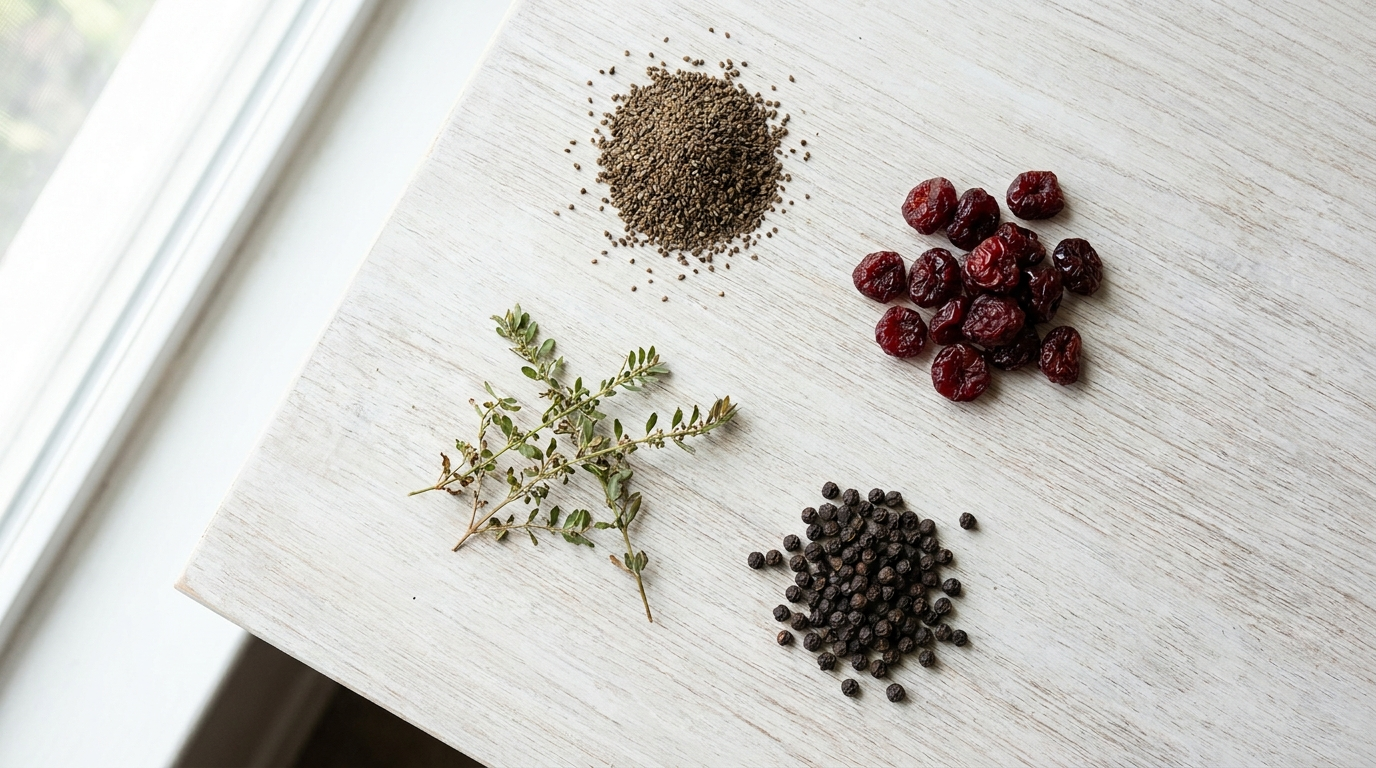
That combination is what became AuricSecrets Uric Acid Purge Detox & Cleanse — built specifically to stop guessing at one ingredient and hoping it covers both sides of the mechanism, because it usually doesn't.

One bottle. One daily routine. Four ingredients working on both sides of the sink at once, instead of one ingredient covering half the problem and leaving the rest to keep building.
Every week this stays unaddressed is another week the level keeps climbing in the background, whether or not the current joint is flaring. The next flare doesn't ask permission, and it doesn't wait for a more convenient time. The only thing that changes that trajectory is actually addressing both sides of the mechanism — not the next flare-up you have to manage after the fact.